
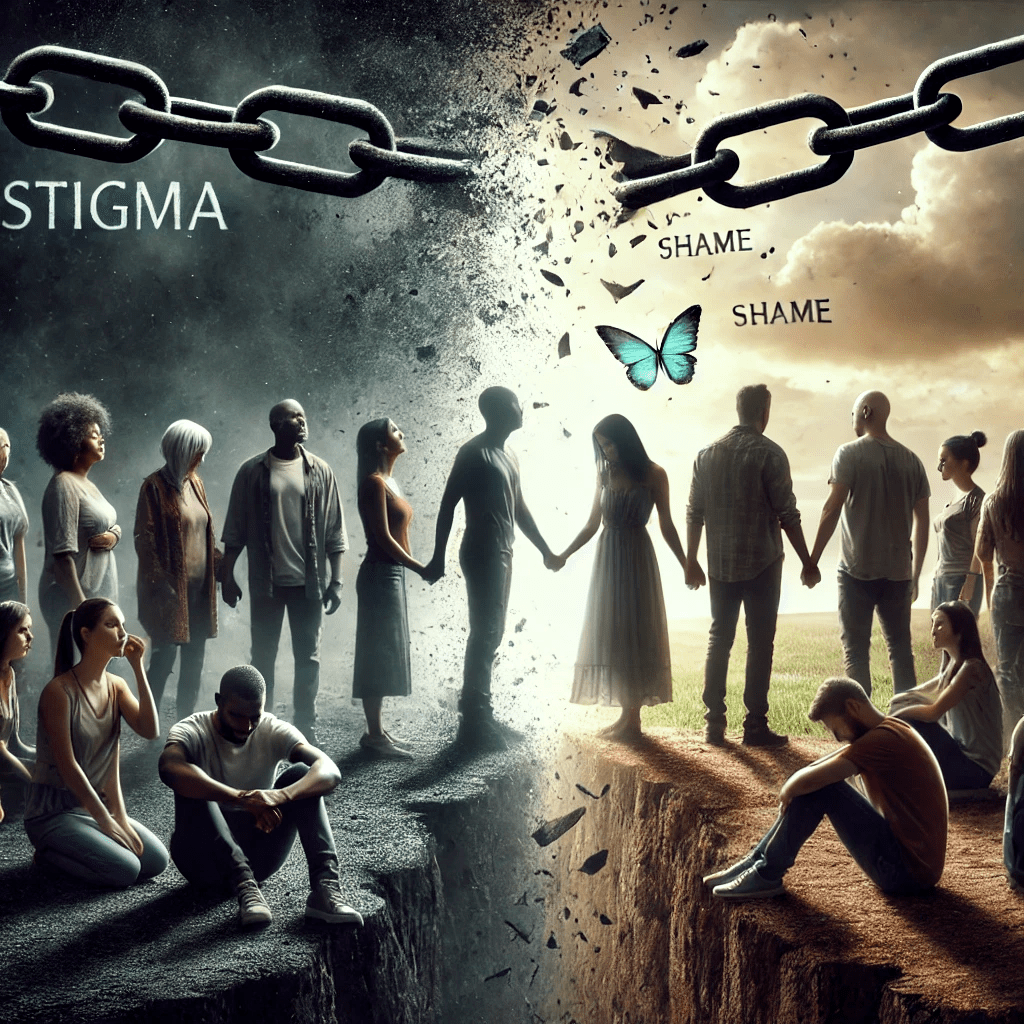
Mental health is an issue that has long been overlooked, stigmatized, and misunderstood, especially within communities of color. Too often, families deny the signs, dismiss symptoms, or avoid seeking professional help due to mistrust of medical institutions or the weight of societal taboos. But we can no longer afford to ignore the reality of mental health struggles. People are literally dying in silence, their torment often leading to irreversible outcomes.
As I reflect on the story of a family navigating bipolar disorder, I am reminded of the tragic loss of a young mother that my colleague supported. She was a loving parent, yet her struggle with bipolar disorder went unaddressed effectively due to denial and the lack of adequate support systems. Her journey, like that of so many others, was marked by highs and lows, moments of hope, and periods of despair. Eventually, she stopped taking her medication, and the effects rippled through her family. Now, my colleague is helping to support the family in raising her children, praying daily for their mental, emotional, and spiritual well-being.
Mental health struggles do not have to define a person’s future. As I’ve seen in both real-life accounts and shared stories, intervention, honesty, and proper care can transform lives. Families must understand that these challenges are not just individual battles—they are generational, genetic, and deeply interconnected with societal pressures.
Why Denial and Stigma Persist
Many communities, especially communities of color, struggle to address mental health because of:
1. Generational Mistrust: Historical exploitation in medical research has left lasting scars, making families reluctant to seek help.
2. Taboos and Stigma: Discussions of mental health are often dismissed as weaknesses or spiritual failings.
3. Lack of Education: Families may not recognize symptoms or understand that professional help is necessary and effective.
However, we are at a critical point. The COVID-19 pandemic brought mental health issues to the forefront, exposing the silent crisis faced by so many. Young people are cutting to cope with trauma. Adults are battling hyper-anxiety. Families are strained by unresolved mental health issues that spill into addiction, violence, and even suicide.
The Call to Action
Families must break the cycle of denial and ignorance. Here’s how:
a. Acknowledge the Signs: If you notice concerning behavior in a loved one—erratic moods, prolonged depression, excessive energy, paranoia—do not dismiss it.
b. Educate Yourself: Understand the signs of mental health disorders and seek reliable resources.
c. Seek Professional Help: Therapy, medication, and support groups can be life-changing.
d. Communicate Honestly: Share family history and provide a safe space for open dialogue.
e. Break the Stigma: Mental health struggles are not a weakness but a reality that requires compassion and action.
Resources for Families
If you or someone you know is struggling, here are organizations that can help:
1. National Alliance on Mental Illness (NAMI)
• Helpline: 1-800-950-NAMI (6264)
• Website: http://www.nami.org
2. Substance Abuse and Mental Health Services Administration (SAMHSA)
• Helpline: 1-800-662-HELP (4357)
• Website: http://www.samhsa.gov
3. Mental Health America (MHA)
• Website: http://www.mhanational.org
4. Crisis Text Line
• Text HOME to 741741
5. The Trevor Project (For LGBTQ+ Youth)
• Helpline: 1-866-488-7386
• Website: http://www.thetrevorproject.org
Breaking the Cycle
These stories of family’s impacted by mental health should motivate you to speak out, to urge families to act now. I look at so many children and pray daily that they will not carry the burden of silence that cost their parent (s) so much. Together, through education, action, and faith, we can break the cycle and create a future where mental health is treated with the care and seriousness it deserves.
Let’s stop ignoring the signs. Let’s stop being afraid. Let’s save lives.
For families navigating similar journeys, know you are not alone. There is help. There is hope. Please seek it before it is too late.
“Just because you don’t see it doesn’t mean it’s not there. Mental health struggles are real, and acknowledging them is the first step to healing.”

 Facing Our Journey
Leave a comment